Campo Oikonomico: Tourism: Sharing and Caring?
18th to 23rd of August 2025
Agape Centro Ecumenico 2025 Borgata Agape, 1 10060 PRALI (TO), Italia
Overview
In the modern attention economy, we place a lot of value on experiences and their documentation. Travel vloggers are getting rich off their next picture while the locals and scenery of the most popular places are often being pushed to the brink. Tourism is one of the world’s largest industries, so much so that countries that are supplying the world with oil are deciding this sector to be their next growth story.
But again, is growth really what is needed? What happens to a society when it becomes an attraction to be looked at? What happens to a place when it becomes a playground for people from all over the world and they invade it in droves?
This summer, we invite you to a transformative journey—a non-formal education camp where we’ll explore the untold stories of tourism and its complexities between the visa stamps. Let’s question the postcard-perfect images, explore the routes of travel, and rethink what it means to be a tourist in today’s world: the different kinds of tourists, and the different journeys they embark on.
Why join?
Tourism brings money, jobs, and development. It fosters cultural exchange and showcases the beauty of our planet. But what’s the cost of this seemingly perfect picture?
This camp will take you beyond the surface of golden beaches and luxury resorts to critically examine:
- Inclusivity in tourism: Who is tourism really for? Can tourism truly embrace diversity, or does it perpetuate exclusion?
- Colonial narratives: How does tourism keep colonialism alive in subtle ways? Take Palestine, for example: Christian “holy paths” highlight biblical landmarks while ignoring the walls, the settlements, and the lives of people affected by the occupation. What stories are we told—and which are left out?
- Economic dependency: Tourism fuels economies, but is it sustainable? What happens when agriculture is deprioritized, and most of the food goes to feed five-star hotel guests? Is this economic model creating long-term sustainability or ecological and social vulnerabilities?
- Tourism vs. culture: Tourism is pushing local language to the margins. Does tourism enhance cultural identity—or erase it? How do we balance showcasing local culture with preserving its authenticity?
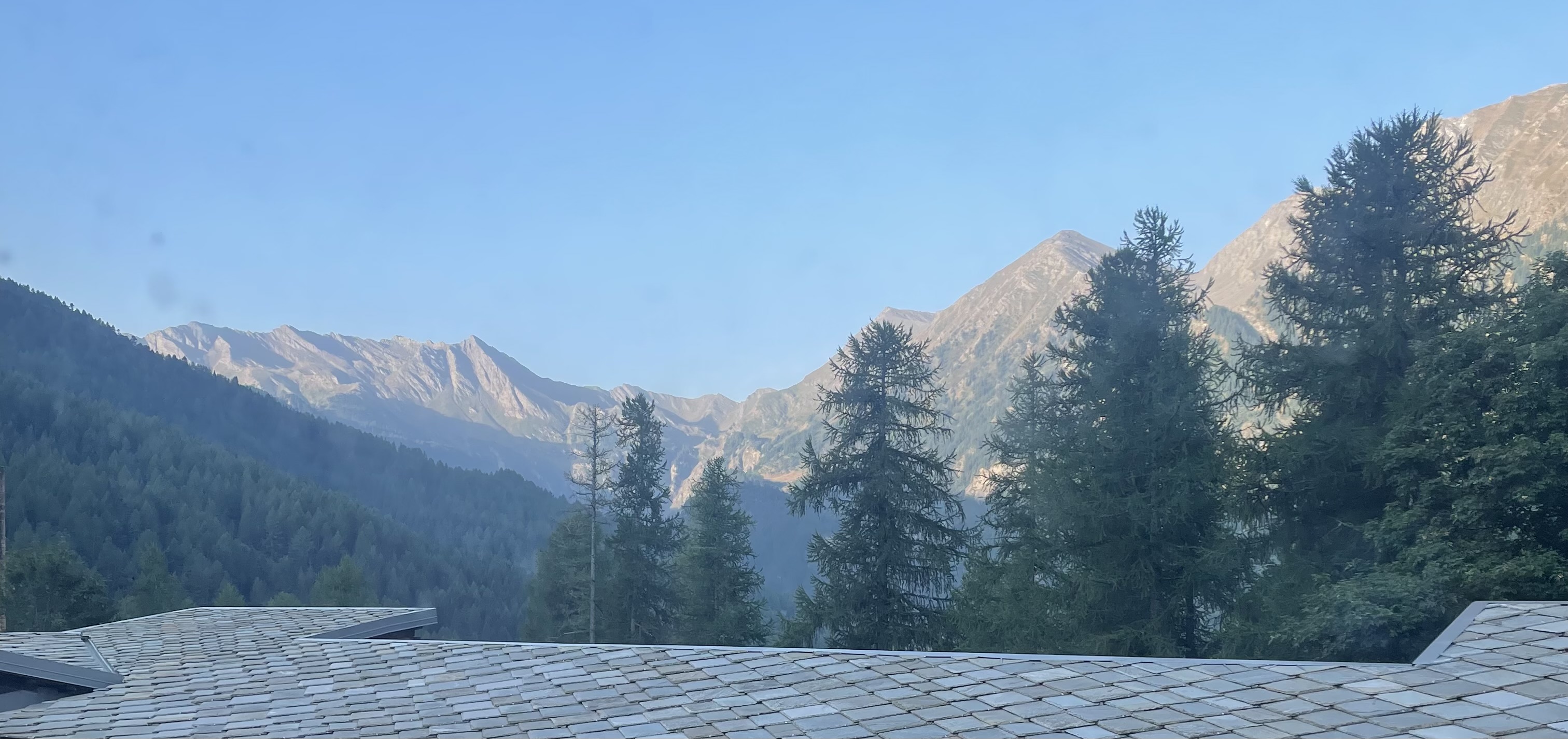
- Prali as a case study: Is tourism the only survival strategy for rural, depopulated areas like Prali? Can it offer a path forward in a capitalistic world, or does it reduce communities to mere attractions for outsiders?
- Mountains and marginalized spaces: What role do landscapes like mountains play in tourism narratives? Are they simply playgrounds for adventure-seekers, or do they tell deeper stories of survival and ecological tension?
- Being a better tourist: How do we leave behind privilege, assumptions, and stereotypes to truly connect with the places and people we visit? Can we foster authentic exchanges while respecting local realities and struggles?